


9jl | The Fascinating World of Simulation Games: A Blend of Reality and Virtual Exploration
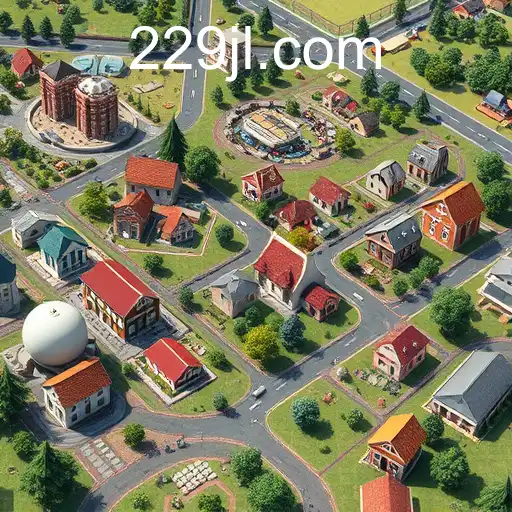
Simulation games have become a thriving category in the world of video gaming, bridging the gap between reality and virtual experience. At the core of these games lies the commitment to emulate real-world activities, offering players an immersive experience where they can explore and interact with various aspects of life without the associated risks and challenges. Whether managing a bustling metropolis or nurturing a small farm, simulation games offer a unique blend of creativity, strategy, and realism that appeals to a broad audience.
The appeal of simulation games stems from their incredible diversity and flexibility. Players can dive into complex scenarios like city planning, as seen in games such as 'SimCity' or explore the intricacies of animal care in 'Zoo Tycoon.' These games provide opportunities to experiment with real-world concepts in a controlled environment, making them both educational and entertaining. With meticulous attention to detail, gamers find satisfaction in constructing worlds that operate on authentic systems. The focus on real-life application makes simulation games an excellent tool for skill development in fields such as logistics, management, and environmental planning.
From train simulation with elaborate railway networks in 'Railroad Tycoon' to the engaging flight experiences in 'Microsoft Flight Simulator,' the genre promises endless possibilities for exploration and learning. The rise in popularity of simulation games can also be attributed to their accessibility and wide-ranging appeal across different age groups. With varying degrees of complexity, they allow both casual players and dedicated gaming enthusiasts to find enjoyment and challenge at their level of interest.
Simulation games have also embraced modern technology advancements. With the introduction of virtual reality, players can now step into these simulated worlds more fully, offering an unparalleled sense of presence and immersion. Additionally, the use of artificial intelligence in simulations has created smarter, more responsive environments that adapt to player choices, making every session a dynamic and unique experience.
As the demand for simulation games continues to grow, developers are constantly pushing the boundaries of what can be simulated, exploring new themes and mechanics to captivate audiences worldwide. The potential for educational use in schools and training programs is vast, providing a platform for experiential learning that traditional methods may not offer.
In conclusion, simulation games are more than just a form of entertainment; they are an evolving genre that offers valuable insights and experiences across various facets of life. By simulating reality, they provide a sandbox where players can experiment, learn, and grow, reinforcing their status as a key player in the gaming industry and beyond.
